
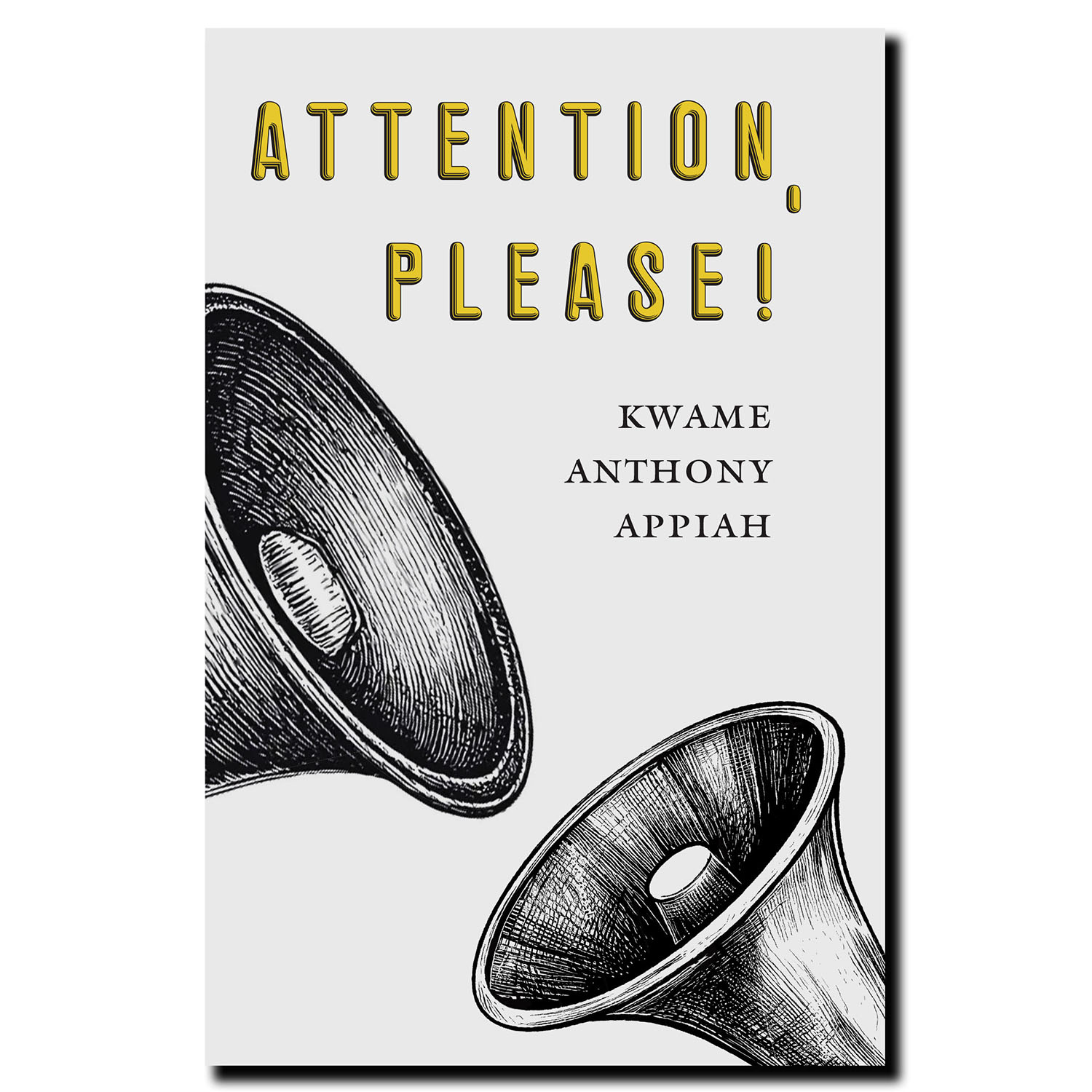


Description
Kwame Anthony Appiah is one of the great thinkers of our time. He is a British-born American philosopher, novelist, and scholar best known for his contributions to political philosophy, moral psychology, and the philosophy of culture. New York University Professor of Philosophy and Law and Princeton’s Laurance S. Rockefeller University Professor of Philosophy and the University Center for Human Values, Emeritus, his work explores the social and individual importance of identity, and the cultural dimensions of global citizenship, drawing on his own experience and the work of philosophers throughout the centuries to raise questions about morality and identity.
Appiah’s early writings concerned the philosophy of language. He turned his attention to political and cultural issues in In My Father’s House: Africa in the Philosophy of Culture (1992), a philosophical exploration of the nature of African identity in the West and in an increasingly global culture. In Color Conscious: The Political Morality of Race (1996; with Amy Guttman), Appiah argued that the notion of biological race is conceptually problematic and criticized what he saw as the tendency to overstate the importance of race as a component of individual identity. The Ethics of Identity (2005) critically examined the various notions around which “group” identities have been defined—including race, religion, gender, and sexuality—and considered how group identity may both contribute to and constrain individual freedom.