Composed more than a thousand years ago by the Persian poet Ferdowsi, the Shahnameh, or Book of Kings, is one of the great epics of world literature. Written in more than 50,000 couplets, it preserves the mythic and historical memory of ancient Persia: its kings and heroes, battles and betrayals, triumphs and griefs. At its heart are questions that remain urgent across centuries — the duties of rulers, the burdens of honor, the bonds between fathers and sons, and the tragic consequences of pride, blindness, and war.
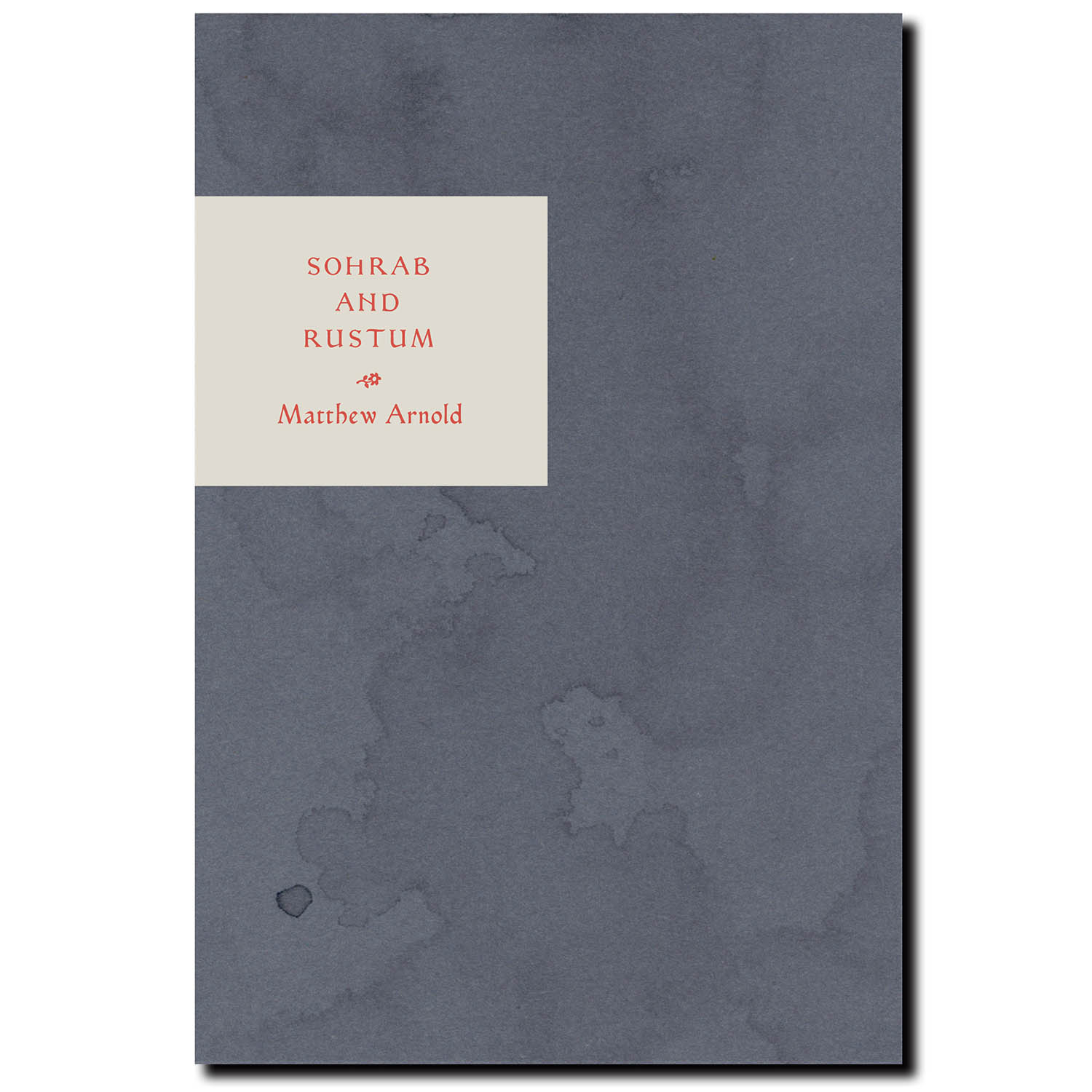
This Thornwillow Dispatch presents Sohrab and Rustum, Matthew Arnold’s elegant 1853 retelling of one of the most powerful episodes from Shahnameh. Arnold’s poem tells the story of Sohrab, a young warrior who enters battle seeking the father he has never known: Rustum, the greatest champion of Persia. On the banks of the Oxus, between two waiting armies, father and son meet in single combat. Neither recognizes the other until it is too late.
The result is a tragedy of war, blindness, pride, and inheritance — and ultimately a profound antiwar poem. Its sorrow lies not only in the bloodshed of the battlefield, but in the awful recognition that so much violence proceeds from ignorance, distance, and the failure to see one another clearly. It reminds us that the questions before us today — of war and peace, loyalty and blood, nations and memory — are not new.
Matthew Arnold, one of the leading poets and critics of Victorian England, encountered the story of Sohrab and Rustum through the 19th-century revival of interest in Persian literature and epic tradition. His 1853 poem, Sohrab and Rustum, transforms the ancient Persian tragedy into stately English blank verse, giving the epic narrative a grave, classical dignity while preserving its emotional force. Not a literal translation, Arnold’s retelling is a profound work of art in its own right — one that carries the tragedy of Ferdowsi’s world across centuries and allows it to speak with unforgettable pathos, grandeur, and moral force to readers today.