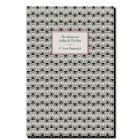
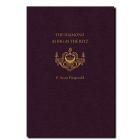
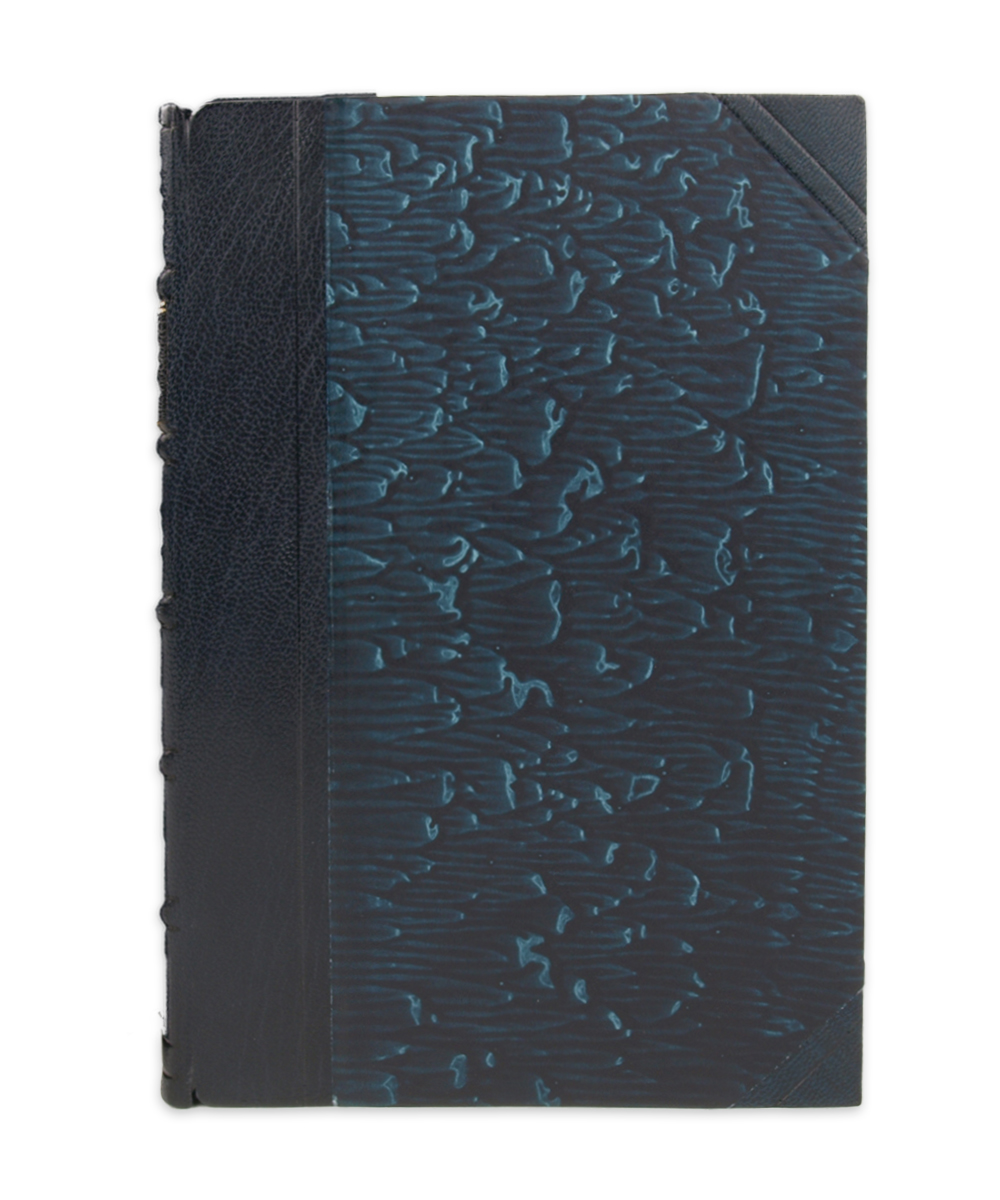
At the height of the Jazz Age, F. Scott Fitzgerald looked upon his gilded era and presented a different view—an allegory of wealth carried to its ultimate—and absurd—extreme. In The Diamond as Big as the Ritz, he writes about a mountain made entirely of diamond, a fortune so vast that it exists beyond ordinary economics, morality, and reason itself.
Originally published as the September 2026 dispatch
Few American writers captured the promise and contradictions of the twentieth century more vividly than F. Scott Fitzgerald (1896–1940). Best known for The Great Gatsby, Fitzgerald chronicled the glamour, ambition, and disillusionment of the Jazz Age with a style that remains among the most lyrical in American literature.
Although celebrated for his novels, Fitzgerald was also one of the finest practitioners of the short story. Throughout his career, he published more than 160 stories in magazines including The Saturday Evening Post, using the form to explore themes of aspiration, class, love, illusion, and the pursuit of the American Dream.
Written during the remarkable creative period that produced The Beautiful and Damned and eventually The Great Gatsby, The Diamond as Big as the Ritz stands among Fitzgerald’s most imaginative works—a brilliant blend of fantasy, satire, and social criticism that continues to resonate more than a century after its first publication.