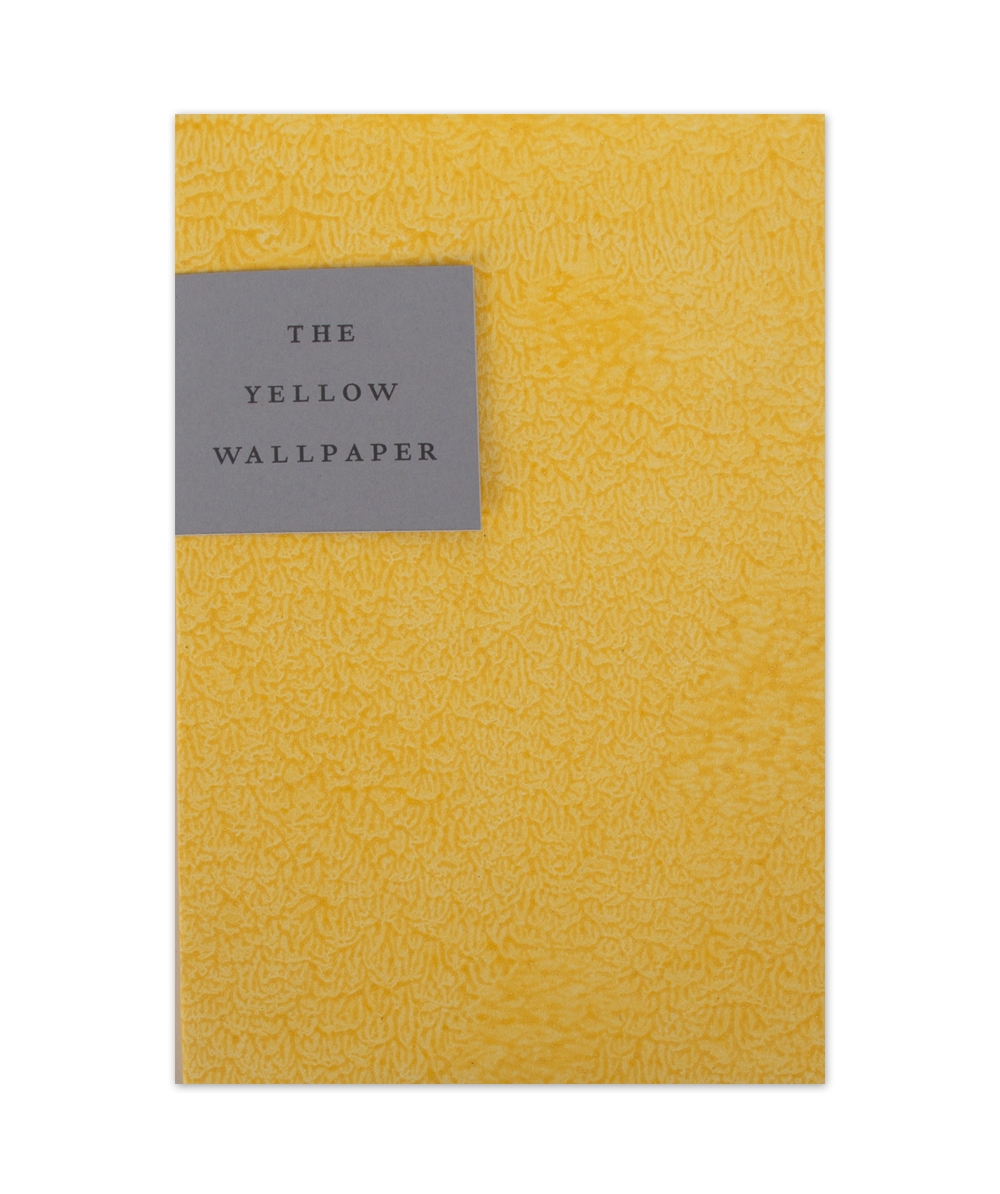
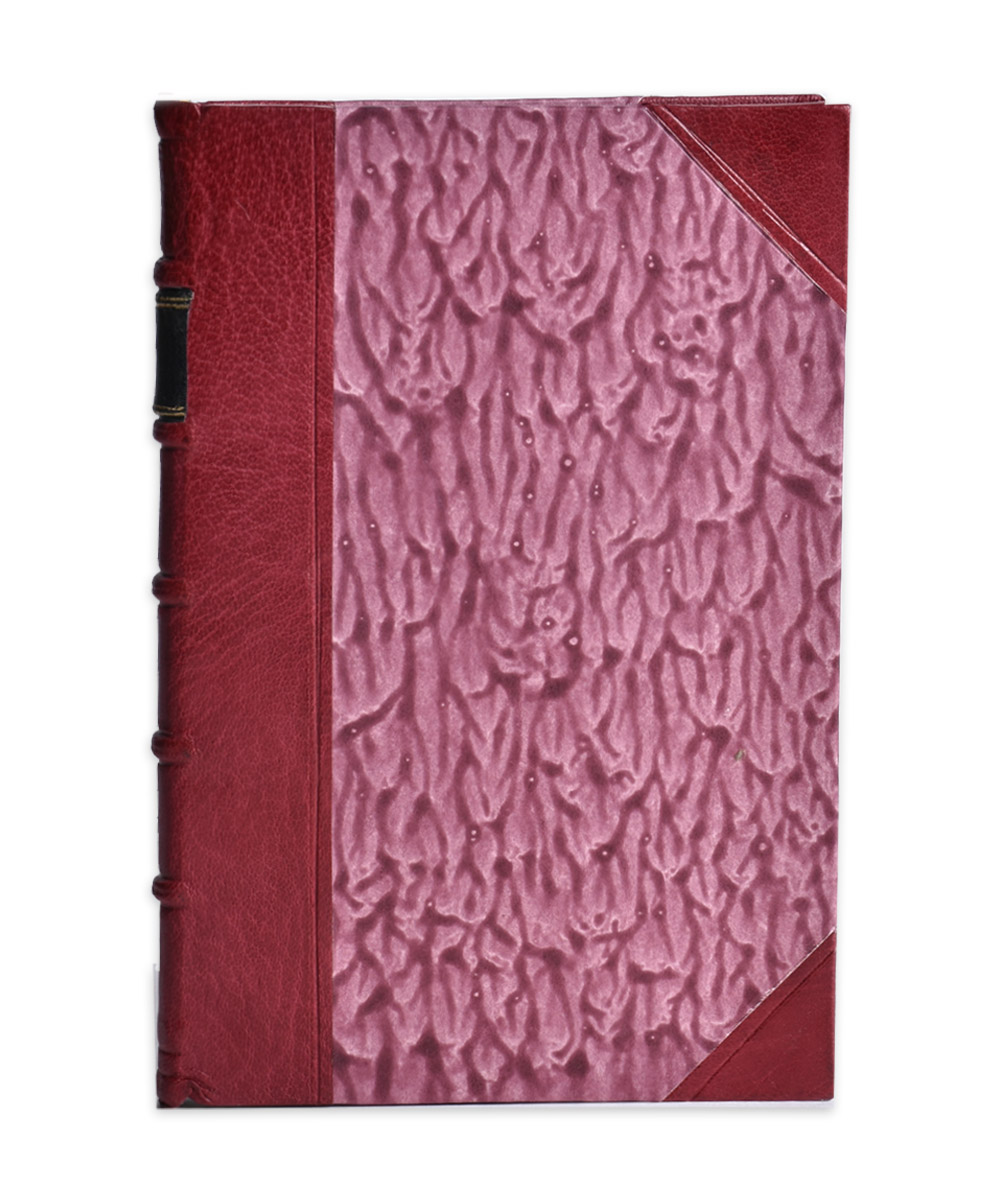
More than a century after its original publication, The Yellow Wallpaper endures as a pioneering work of feminist literature and a bone-chilling gothic classic. By way of introduction, the Thornwillow Press edition also contains Gilman’s own written explanation for the origins of her work, including her steadfast assertion that the story “was not intended to drive people crazy, but to save people from being driven crazy, and it worked.”
Charlotte Perkins Gilman was an American writer and social reformer whose works were primarily focused on gender and social equality. Her most influential works include The Yellow Wallpaper and Women and Economics. She is known for using literature to examine the constraints placed on women in the nineteenth and early twentieth centuries, and advocated for economic and intellectual freedom.
Gilman was born in Hartford, Connecticut in 1860, and became one of the leading voices in the early feminist movement through publication of her essays, fiction, and lectures. Her personal experiences and struggle with postpartum depression and medical treatment inspired The Yellow Wallpaper, which is now considered one of the most significant works in the intersection between American literature and feminist thought.